
"different water quality"
20000 article(s) found

Water | effect of different water quality on the taste of coffee
As we all know, the water used for brewing has to be filtered by carbon and has no peculiar smell, but this is only the basic requirement of high-quality brewing water. In order to get better coffee (or tea, Espresso), the water used should be neutral pH, with a certain hardness, alkali content, and total dissolved solid content (TDS). The following are hydrochemical terms related to coffee making. Total dissolution

What is the effect of water quality on the flavor of caffeine?
Professional coffee knowledge exchange more coffee bean information please follow the coffee workshop (Wechat official account cafe_style) it is well known that more than 98% of a cup of coffee is water, the effect of water on coffee taste can be imagined, the effect of water quality on coffee can be divided into three main categories: 1 water pH (PH value) 2 water soluble matter (TDS) 3 water hardness (calcium and magnesium ion content in water

What is the effect of water quality on coffee? How to choose the water purifier?
Professional coffee knowledge exchange more coffee bean information Please follow the coffee workshop (Wechat official account cafe_style) for coffee, in addition to the coffee bean itself, water quality is also very important. As we all know, 99% of a cup of coffee is water. We can imagine the effect of water on the taste of coffee. I divide the effect of water quality on coffee into three main categories: 1. The acid-base of water.

British chemists say the quality of coffee is determined by the quality of water
Hunton says brewing coffee is perhaps the most common chemical extraction process in the world. "different types of water can make coffee beans taste different, sometimes good and sometimes bad," wrote Hunton, who wrote for the Royal Society School of Chemistry, on the topic of "water". "

Effect of Water quality on Coffee which factors in Water can affect the extraction experiment of Coffee
Professional coffee knowledge exchange more coffee bean information please follow the coffee workshop (Wechat official account cafe_style the effect of mineral quality in hard water on coffee water quality science is no longer only H2O, drinking water is a complex mixture, containing a variety of minerals (sodium, potassium, magnesium, calcium, chlorine). The effect of coffee beans on the flavor of this cup of coffee is more than 80%.

Basic knowledge of coffee the quality of water determines the quality of coffee
Hunton says brewing coffee is perhaps the most common chemical extraction process in the world. On the subject of water, Hunton, who wrote for the School of Chemistry of the Royal Society, wrote: different types of water can make coffee beans taste different, sometimes good and sometimes bad. At this point, the American Coffee Association also said that water plays a very important role in the process of making coffee.
British chemists say the quality of coffee is determined by the quality of water
Hunton says brewing coffee is perhaps the most common chemical extraction process in the world. On the subject of water, Hunton, who wrote for the School of Chemistry of the Royal Society, wrote: different types of water can make coffee beans taste different, sometimes good and sometimes bad. At this point, the American Coffee Association also said that water plays a very important role in the process of making coffee.

Discussion on Coffee Water quality: effect of different Water on Coffee extraction
Professional coffee knowledge exchange more coffee bean information Please pay attention to the coffee workshop (Wechat official account cafe_style) TDS and PPM why the water is different water usually not only water, but also contains "total dissolved solids" (TDS), that is, small minerals and organic matter, these substances through the soil, water purification plants or water supply system, and finally remain in the water, affecting the finished coffee. But it...

What is the effect of water quality on coffee? what's the difference between espresso and hand-made coffee?
In the early morning, I looked at the leaking coffee slowly into the pot and counted the cup of coffee in front of me as my daily drink. after all, a cup of coffee is nearly 98% water. At the same time, this means that brewing water has a great impact on the flavor and quality of coffee, if you are eager to make incomparably delicious coffee, use the right water. Through working with Ivan Mora (now La Col), a barista in Madrid
British chemists say the quality of coffee depends largely on the quality of water.
There is no denying that in order to brew a good cup of coffee, high-quality coffee beans and correct processing methods are essential factors. However, water, which accounts for the vast majority of coffee, is often ignored.
What is the effect of different water quality on the flavor of cold-extracted coffee? What kind of water is best for brewing coffee?
A pot of freshly brewed black coffee consists of a small amount of flavor substances and most of the water. In order to make the coffee taste good, in addition to the water temperature, water quality also plays a vital role. Experienced partners should know that the composition of drinking water varies with the brand of drinking water, and the softness, hardness and acidity are different.

What is the effect of water quality on coffee? What's the difference in brewing coffee with different water?
Professional coffee knowledge exchange more coffee bean information Please pay attention to the coffee workshop (Wechat official account cafe_style) Coffee is not only used to refresh modern people, more importantly, whether at home or in the office, a cup of coffee can relax tired nerves and enjoy a moment of leisure. Many people are not satisfied with buying take-out coffee, but also buy coffee.
Effect of Water quality on Coffee effect of different Water on Coffee Water requirement of Coffee
Professional coffee knowledge exchange more coffee bean information please pay attention to the coffee workshop (Wechat official account cafe_style) the first is TDS, total dissolved solids (total dissolved solids) is water quality engineering, environmental science term. It used to be called total salinity. Refers to the total amount of dissolved components in water, including the total amount of various ions, molecules and compounds dissolved in water, excluding
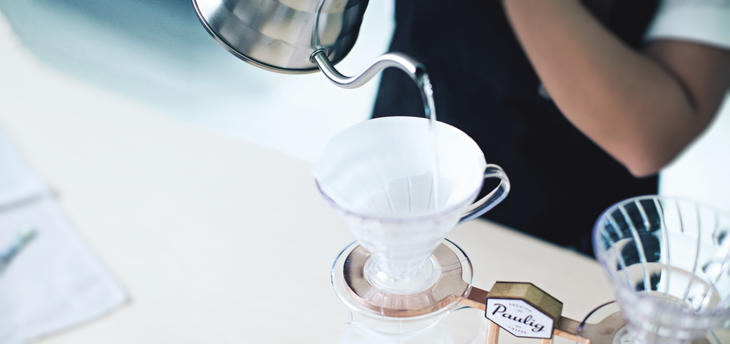
Coffee brewing water science-is there really the most suitable water quality for coffee brewing?
Professional coffee knowledge exchange more coffee bean information Please pay attention to the water quality of coffee in the coffee workshop (Wechat official account cafe_style), which directly affects the taste, aroma, consistency and many other health elements of all coffee. The key influencing factor is the mineral composition in the water. Calcium, magnesium, sodium, potassium and other mineral ions in water will affect the thermokinetic extraction of coffee.

To make coffee with good aroma and quality, you need to master the "six major extraction reasons for coffee"!
Professional coffee knowledge exchange more coffee bean information Please follow the coffee workshop (Wechat official account cafe_style) No matter in the morning or afternoon, more and more office workers have a cup of coffee, but do you gradually ignore the quality of coffee in your busy schedule? We often talk about the quality of coffee beans or the professionalism of the machine. However, from raw beans to baking to extraction

What kind of water do you use for coffee? Different water quality will also have an impact on coffee?
Professional coffee knowledge exchange more coffee bean information please pay attention to the coffee workshop (Wechat official account cafe_style) coffee liquid is unadded natural water extracted from the unadded coffee powder, the coffee liquid contains only coffee's own soluble substances and water. There are only about 1% of the water-soluble substances in a cup of coffee, and the rest are water.

Factors affecting the quality of espresso: preleaching time and water quality
First, the addition of prepreg time can improve the success rate of extraction to a certain extent, so some high-end machines have the function of adding free control of prepreg time. As for the comparison between prepreg and non-prepreg production methods, it is more inclined to the difference of production style, not the difference between good and bad. Second, water quality is like making tea. It is often said that so-and-so spring water can be used to induce the fragrance of tea. The water quality does have some impact.
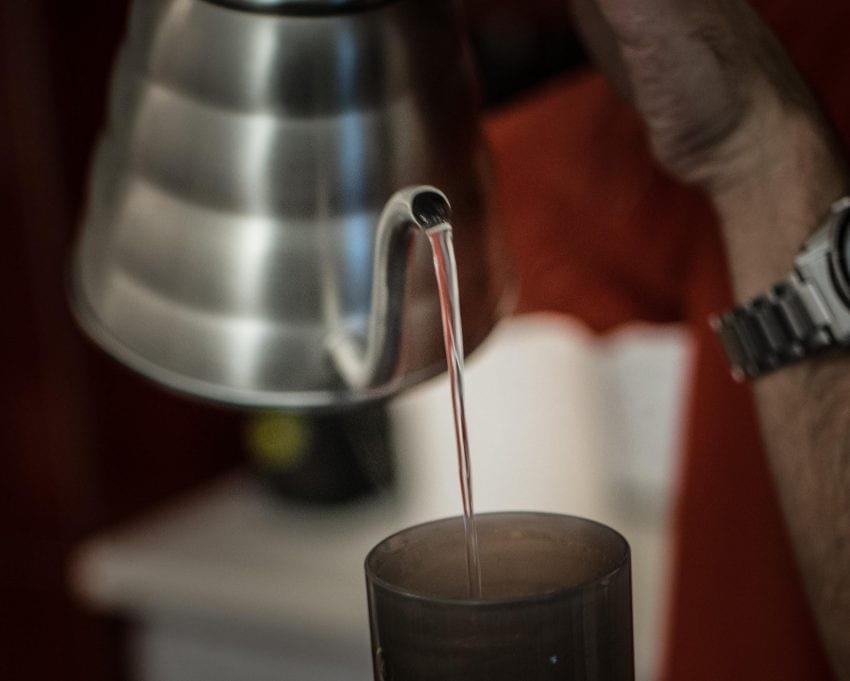
What is the most suitable water for coffee? Does hand coffee use the same water as espresso?
Professional coffee knowledge exchange more coffee bean information Please follow the coffee workshop (official Wechat account cafe_style) in the morning, I looked at the leaking coffee slowly into the pot and counted the cup of coffee in front of me as the amount of water I drank every day. After all, a cup of coffee is nearly 98% water. At the same time, this means that brewing water has a great impact on the flavor and quality of coffee, if you are eager to make it delicious.

What are the different types of coffee? what should be done with different kinds of coffee?
There are many different types of coffee, there are different ways of handling coffee, there are Blue Mountain Coffee, Costa Rican Coffee, Colombian Coffee, Manning Coffee, there are many different ways to treat each kind of coffee, and the flavor is different according to the degree of roasting. 2, the characteristics of coffee 1, coffee roasted coffee flavor factors

The coffee cup test should pay attention to these six details how to ensure the consistency of coffee cup measurement.
If each cup of coffee sample on the cup test table actually has a different degree of extraction, should you trust your cup test notes? For all those who want to buy, sell raw coffee beans, or roast coffee, cup testing is an indispensable tool. It is used to compare batches, to identify flavor characteristics, to identify defects in raw and cooked beans, to make purchasing decisions, and to decide where to plant.